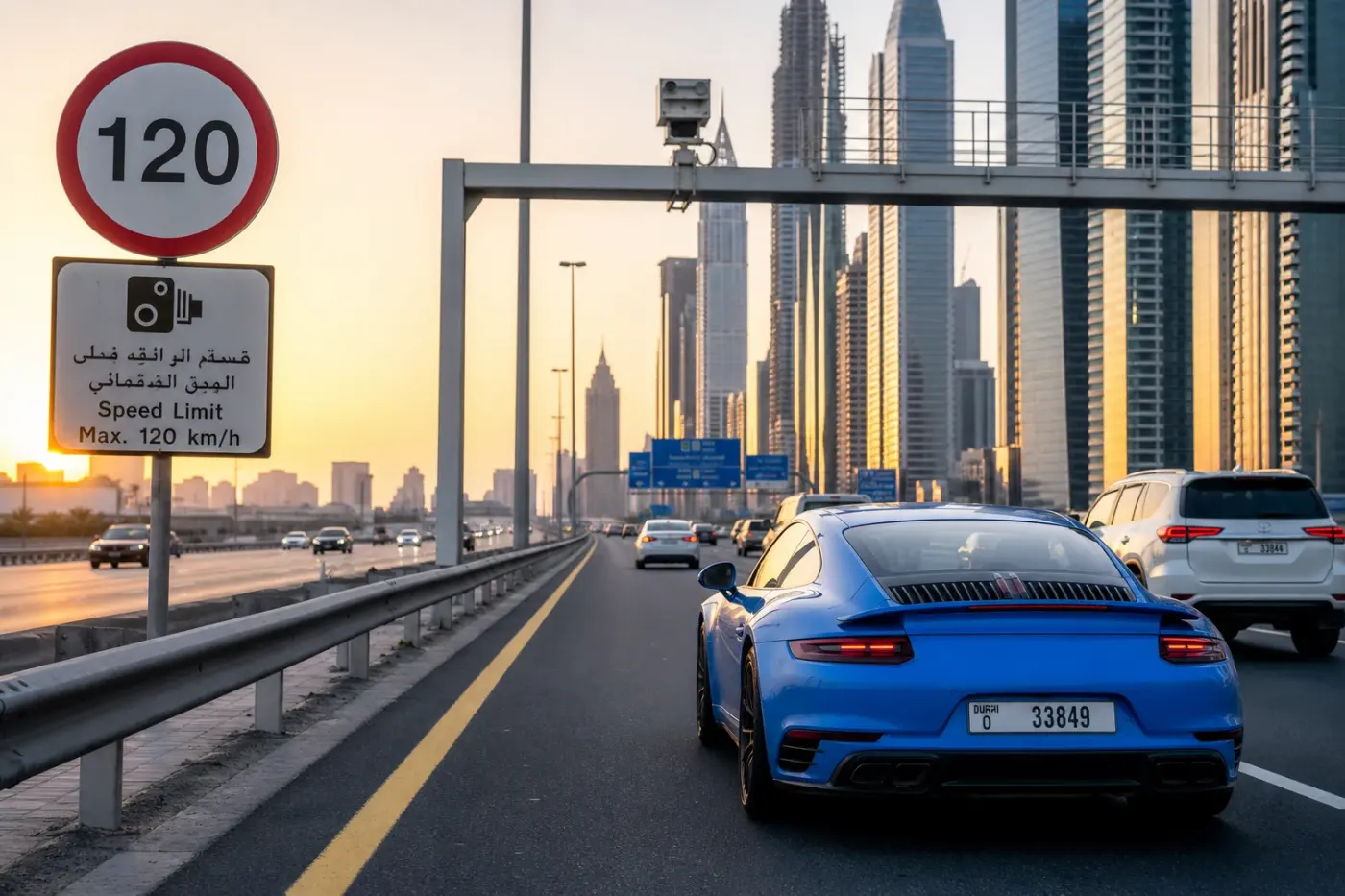
This ultimate guide to speeding fines in Dubai is written for rental guests who will encounter fixed cameras, mobile radar units, and sudden limit changes on their first day behind the wheel. Dubai enforces posted limits on urban roads, highways, tunnels, and airport corridors — and violations are tied to the vehicle plate, not the name on your booking.
Guests driving high-performance rentals often misjudge how quickly a comfortable cruising speed becomes a camera event. Navigation with live limit overlays helps, but the safest habit is to treat every gantry and roadside pole as potentially monitored.
Start with our overview of traffic radars in the UAE to understand how notices reach a rental plate.
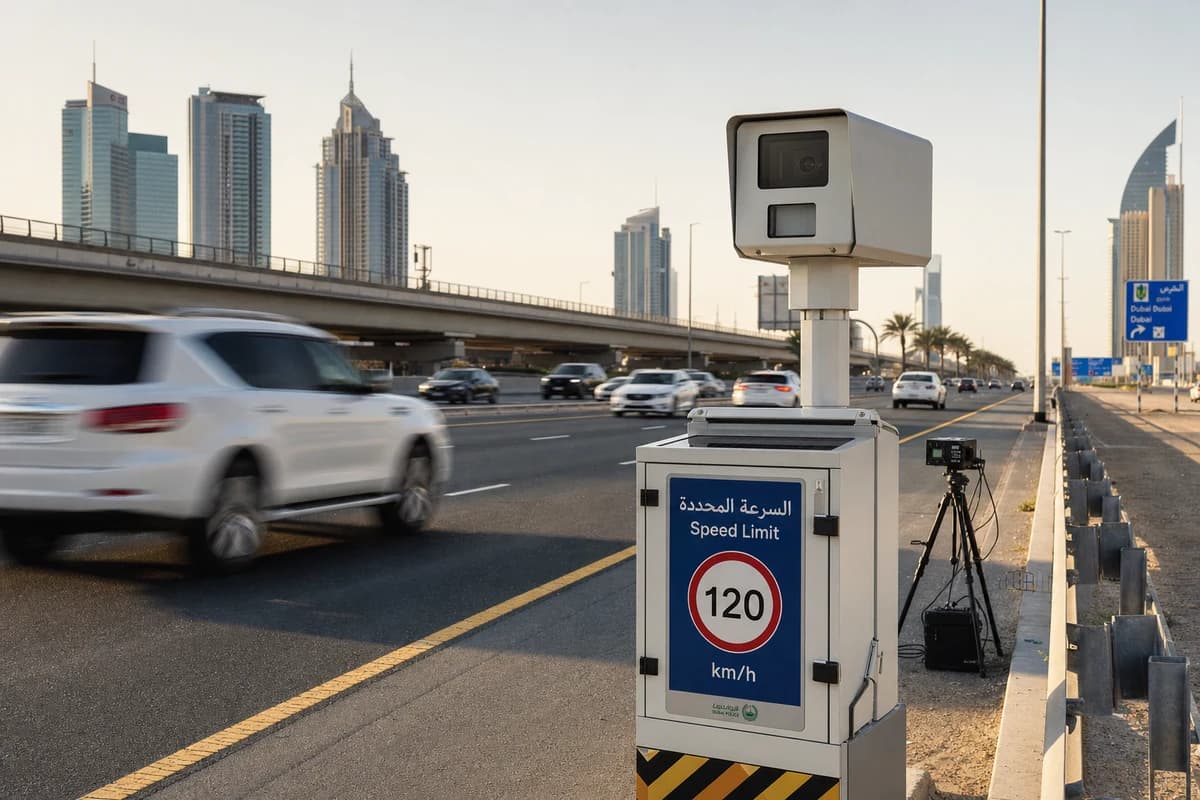
Understanding speed limits in practice
Limits vary by road type, emirate, and temporary work zones. Sheikh Zayed Road, Al Khail Road, and routes toward Abu Dhabi carry different posted ceilings — follow signs and navigation prompts rather than assumptions from another corridor.
Buffer policies and grace thresholds can change under authority rules. Do not rely on informal advice about how far above the sign you may travel; drive to the posted figure and leave margin in traffic.
School zones, residential districts, and service-road transitions often drop limits without the long approach warnings you may expect from motorways abroad.
How speeding fines reach a rental
When a radar records a plate above the enforced threshold, the notice typically flows from the authority to the fleet operator, then to the renter under contract terms accepted at handover.
Processing delays are normal. A highway event early in your trip may only appear near the end of the rental window or shortly after return. Keep documentation from handover and return inspections until DreamRides confirms the account is closed.
Fine amounts, black points, and impound triggers change under RTA and Dubai Police policy. Verify current tariffs on official channels — do not depend on outdated blog figures or forum screenshots.
Practical habits for rental guests
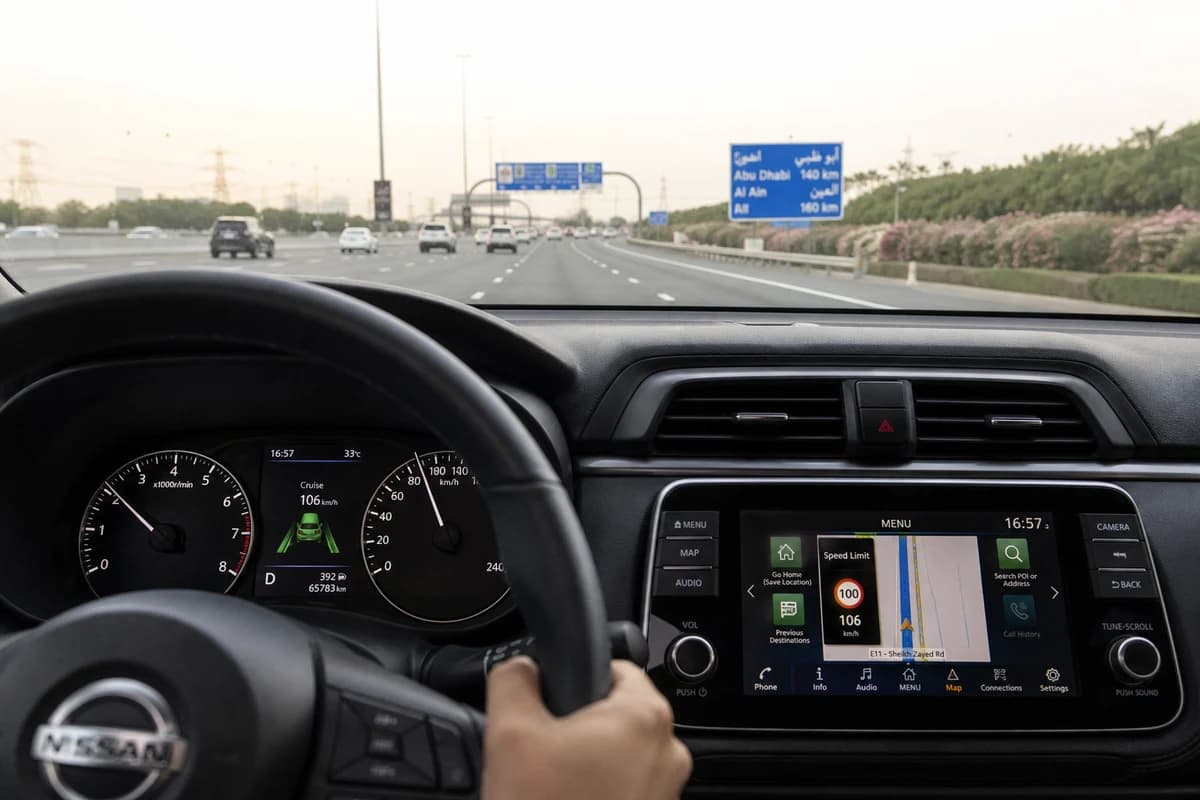
Use cruise control conservatively on highways and watch for limit drops near exits, tunnels, and construction. Performance rentals make it easy to drift above the posted figure without noticing.
Photograph the odometer and exterior at handover and return. Clear records help if a plate-linked notice is disputed or arrives after you have left the country.
If you are comparing vehicles, browse the DreamRides fleet and ask the concierge how speeding notices are handled on your contract.