
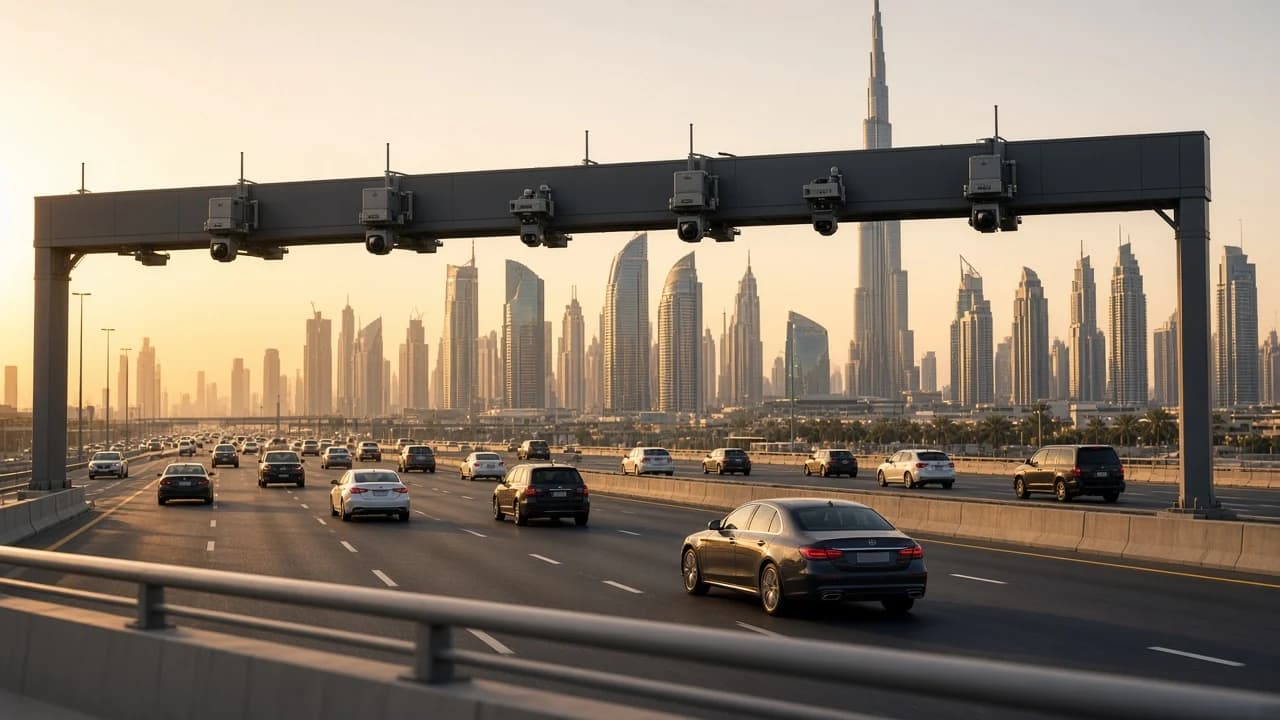
If you are asking how many Salik gates in Dubai there are, the answer as of October 2026 is 10. Salik is Dubai's automatic road-toll system: each gate reads a windscreen tag or the number plate as you drive underneath, so there are no barriers and no booths.
The network grew from eight to ten gates on 24 November 2024, when Business Bay Crossing and Al Safa South went live. No further gates had been officially announced at the time of writing. Gate changes are published by Salik and the RTA first, so check there before relying on any list, including this one.
All 10 Salik gates in Dubai
Four gates sit on Sheikh Zayed Road, which is why a Marina-to-Downtown run is the trip most visitors notice on their Salik bill. Two more meter the Creek bridges, and the Mamzar pair covers the Al Ittihad Road corridor towards Sharjah.
| Gate | Road | Notes |
|---|---|---|
| Al Barsha | Sheikh Zayed Road | Near Mall of the Emirates; one of the first two gates (2007) |
| Al Safa North | Sheikh Zayed Road | Paired with Al Safa South |
| Al Safa South | Sheikh Zayed Road | Between Al Meydan Street and Umm Al Sheif Street; opened November 2024 |
| Jebel Ali | Sheikh Zayed Road | Towards Jebel Ali; opened 2018 |
| Business Bay Crossing | Al Khail Road | Opened November 2024 |
| Al Garhoud Bridge | Al Garhoud Bridge | Dubai Creek crossing |
| Al Maktoum Bridge | Al Maktoum Bridge | Dubai Creek crossing |
| Airport Tunnel | Airport Tunnel (Beirut Street) | Runs under Dubai International Airport |
| Al Mamzar North | Al Ittihad Road | Paired with Al Mamzar South |
| Al Mamzar South | Al Ittihad Road | Paired with Al Mamzar North |
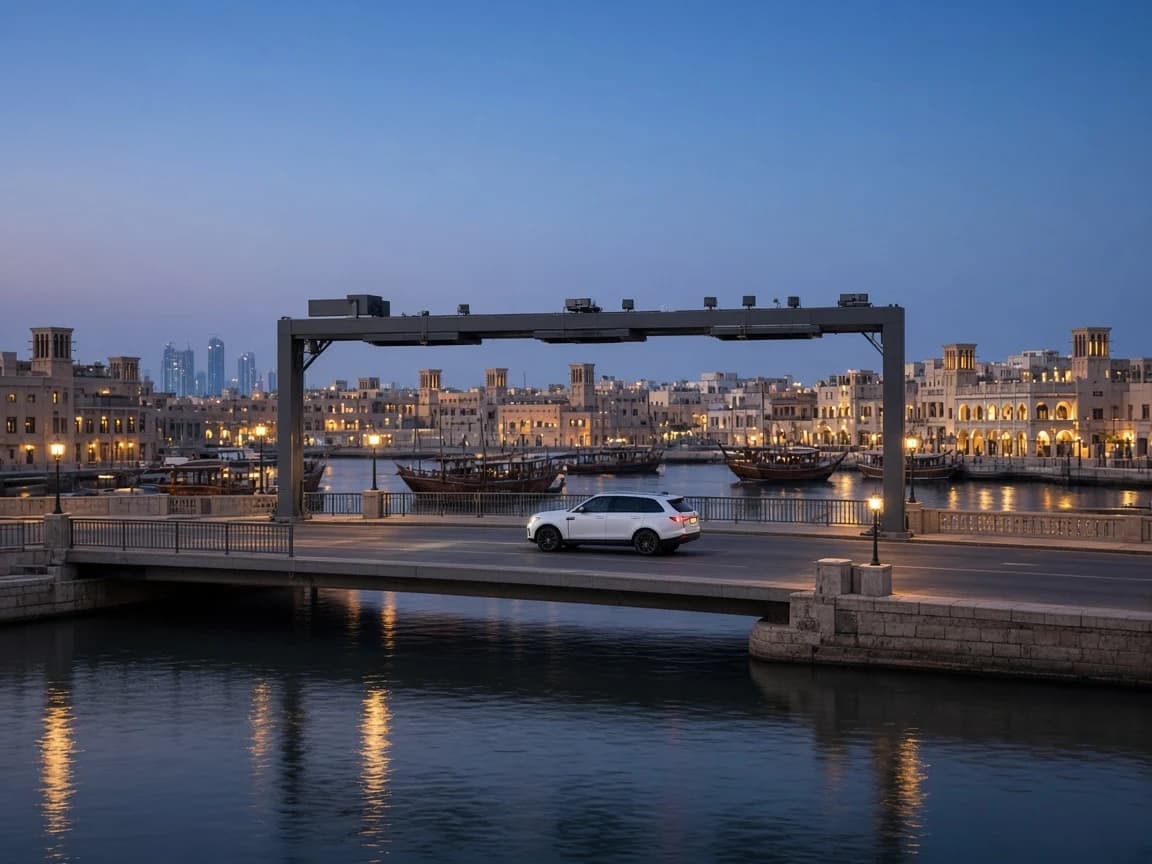
Salik gate locations that tourists cross most
Sheikh Zayed Road is the spine between Dubai Marina, Al Barsha, Downtown, and the older city, so Al Barsha and the two Al Safa gates come up on most sightseeing days. Business Bay Crossing catches drivers who use Al Khail Road to avoid Sheikh Zayed Road traffic.
Airport runs depend on the route: the Airport Tunnel and Al Garhoud Bridge sit close to DXB, so a Deira or airport loop can add crossings that a beach-side itinerary never touches.
If Sheikh Zayed Road will be your daily route, read the Sheikh Zayed Road driving guide for lane discipline and exits before you plan toll stops.
Paired gates: when two gates charge once
Two pairs of gates are linked. If you pass Al Safa North and Al Safa South within one hour, you are charged for one crossing, not two. The same rule applies to Al Mamzar North and Al Mamzar South.
The pairing does not cover any other gates. Al Barsha and Al Safa, for example, are separate crossings even though both sit on Sheikh Zayed Road.
Salik toll timings and prices
Dubai moved to variable Salik pricing on 31 January 2025. On Monday to Saturday, a crossing costs AED 6 in the peak windows (06:00–10:00 and 16:00–20:00) and AED 4 off-peak (10:00–16:00 and 20:00–01:00). Sundays are AED 4 all day, and every gate is free from 01:00 to 06:00. Check current rules on Salik.
Since 1 June 2026, 5% VAT applies to Salik tolls, which takes the peak charge to AED 6.30 and the off-peak charge to AED 4.20. Public holidays and major events can carry their own rules, so treat these figures as a planning guide rather than a quote.
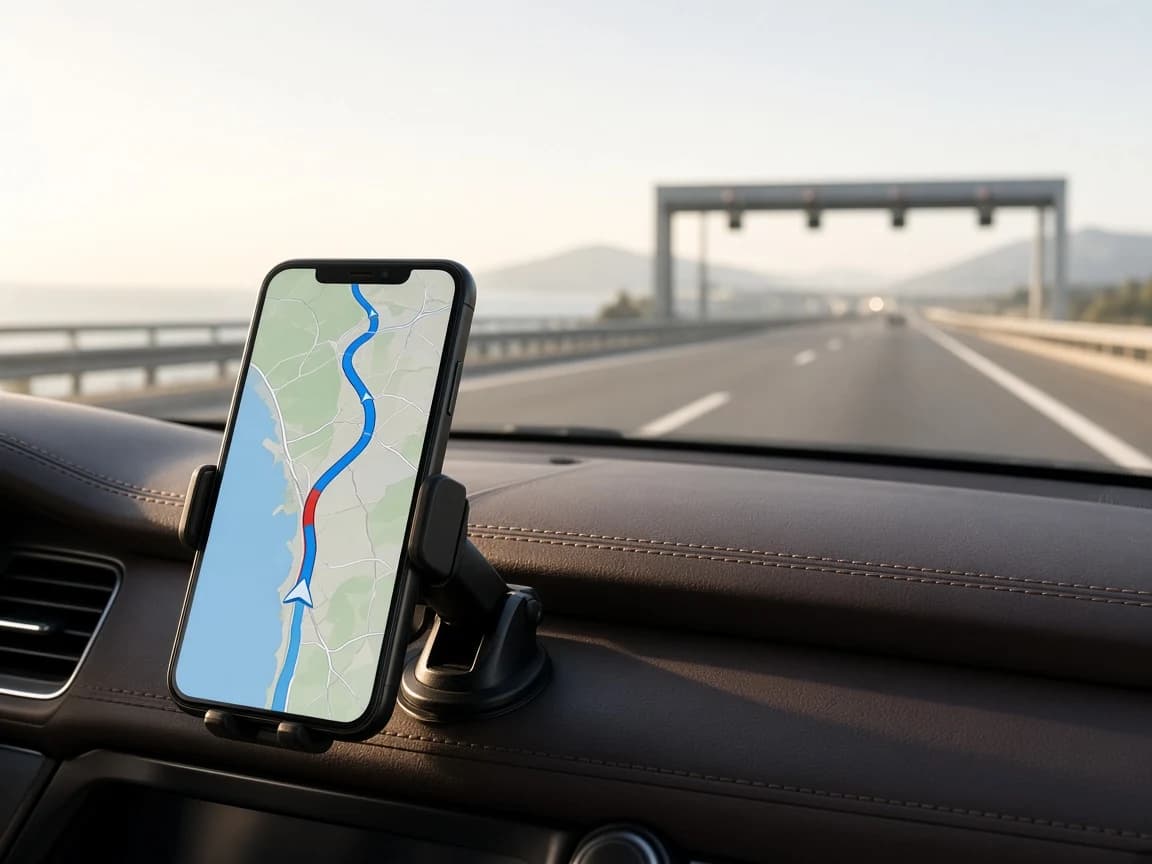
The practical takeaway: the same Marina–Downtown–Marina loop can cost noticeably less if you leave after the morning peak and return after 20:00.
How Salik gates work on a rental car
Rental cars carry a Salik tag registered to the fleet operator, so you do not need your own Salik account. Each crossing is logged against the plate and passed to the renter under the rental agreement.
Ask how crossings are billed before you pay, including any administration fee and when the deposit hold is released. The Salik on a rental car guide covers that billing conversation, and the Salik balance guide explains why renters do not top up the tag themselves.
Collecting at the airport? A DXB car handover changes where you get the keys, not how the gates bill the plate once you drive away.