.svg)
.svg)






.webp)





.webp)


.webp)


.webp)


.webp)
.webp)


No results found for your search
View all car rentals
Parking fines are very common in Dubai tourist areas because these zones combine high traffic volume, limited legal parking, strict RTA regulations, automated monitoring systems, and zero tolerance for violations.
If you are driving in Dubai, especially in a rental car, knowing exactly where fines occur and why they are issued helps you avoid penalties, rental deposit deductions, police reports, and delays when returning the vehicle.
Dubai’s parking system is highly regulated, digitally monitored, and actively enforced, particularly in areas frequented by tourists.
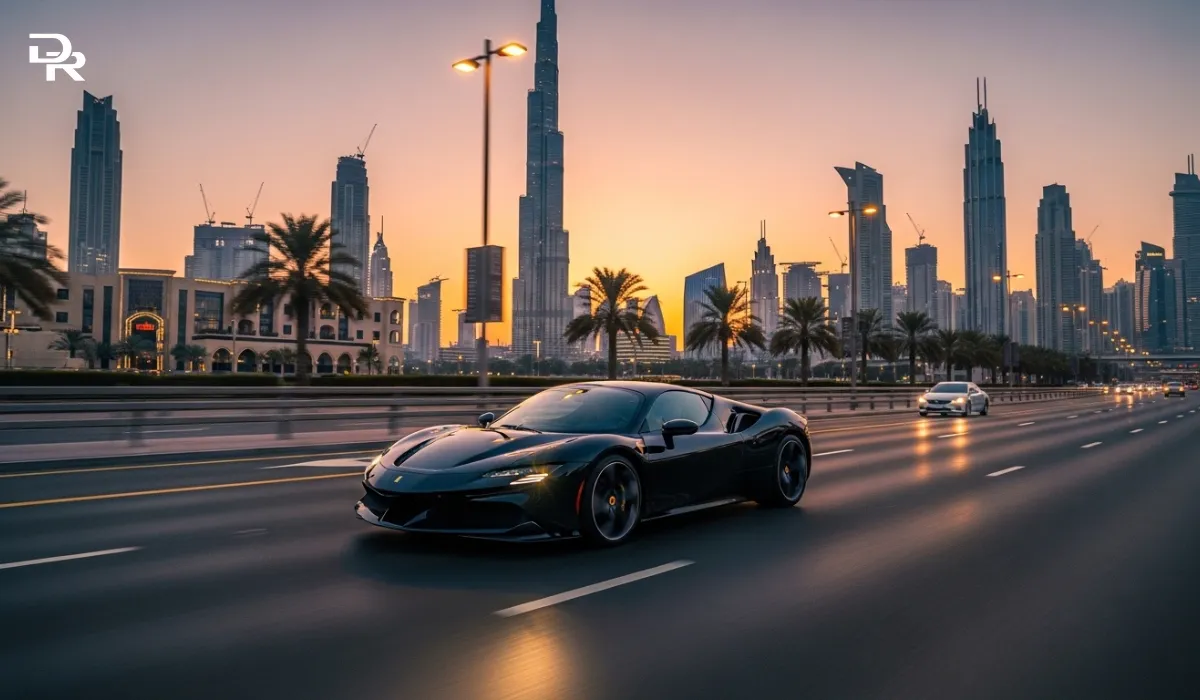
Downtown Dubai is one of the strictest parking enforcement zones in the city. It includes Burj Khalifa, Dubai Mall, Dubai Opera, Souk Al Bahar, and nearby residential towers.
Most parking outside Dubai Mall is paid RTA parking, not mall parking. Drivers often assume nearby street parking is free because of proximity to the mall, which leads to fines for non payment. Parking must be activated through RTA SMS, the RTA app, or parking meters, and the correct zone code must be selected.
Overstaying paid parking time is another major cause of fines. RTA inspectors and mobile scanning vehicles regularly check plates, and even a few minutes of overstay can result in a penalty. Parking in service lanes, on yellow or white lines, near pedestrian crossings, or in areas marked for emergency access is also heavily penalized.
Valet only zones near hotels and restaurants are clearly marked. Parking in these spaces without valet authorization results in immediate fines and sometimes towing.
Dubai Marina and JBR are among the highest fine issuing areas in Dubai due to density, nightlife, and beach access.
Most street parking here falls under RTA paid zones with limited time allowances. Residential buildings have private parking, and parking there without a permit can result in fines, wheel clamping, or private penalties depending on the building management.
Stopping briefly to drop off passengers is not allowed in many Marina areas, especially near roundabouts and pedestrian crossings. Double parking is actively enforced and can result in both fines and obstruction penalties.
In JBR beach access zones, parking on sand edges, curb gaps, or unmarked areas is illegal even if other cars are parked there. Enforcement increases during evenings, weekends, and holidays.
Al Seef and Dubai Creek attract tourists visiting heritage districts, waterfront cafes, and cultural attractions.
These areas have narrow roads and mixed zoning. Many streets are resident only parking zones, clearly marked but often overlooked by tourists. Parking in these areas without authorization results in fines.
Parking too close to intersections, mosques, fire hydrants, or loading zones is strictly penalized due to emergency access requirements. Temporary parking restrictions are common during events, weekends, and festivals, and ignoring temporary signage leads to fines.
Paid parking zones here often operate on shorter time limits, increasing the risk of overstaying.
Deira is one of the most fined areas due to congestion, older infrastructure, and informal parking assumptions.
Many drivers park in front of shops, behind buildings, or along narrow streets assuming it is allowed. In reality, most of these spaces are illegal and frequently patrolled by RTA inspectors.
Expired parking tickets are a common issue because parking meters operate on strict time blocks. Blocking delivery bays, mosque entrances, and service access points is also heavily enforced, particularly during prayer times and peak business hours.
Sheikh Zayed Road itself is a no parking corridor, yet fines are common due to misuse of service roads.
Stopping or parking on service lanes without explicit authorization is illegal. Many service roads are restricted to building access only and monitored by cameras. Unauthorized parking can result in fines and towing.
Stopping on emergency lanes or road shoulders, even briefly due to navigation errors, is recorded by traffic cameras. Hotels along Sheikh Zayed Road require use of designated parking or valet services.
Beach areas have some of the most aggressively enforced parking rules in Dubai.
Parking on sand, footpaths, landscaped areas, or curb extensions is illegal and closely monitored. Overstaying paid parking is extremely common, as beach visits often exceed expected durations.
During busy periods, temporary cones, barriers, and no parking signs are installed. Ignoring these temporary restrictions leads to fines and vehicle towing.
The Palm Jumeirah has a combination of private roads, residential zones, hotel parking, and limited public parking.
Parking in residential areas without permits is a common mistake. Public parking is clearly marked, and parking outside designated bays is illegal. Hotel parking areas are monitored, and unauthorized vehicles may receive fines issued by private operators in coordination with authorities.
Parking near roundabouts, curb corners, or access ramps is also penalized due to traffic flow requirements.
Dubai Festival City combines mall parking, residential streets, and waterfront areas.
While mall parking is generally free, nearby street parking often requires payment or permits. Many drivers mistakenly assume all parking in the area is free.
Stopping near waterfront promenades, pedestrian crossings, or service access points is monitored by cameras. Event days and weekends often introduce temporary restrictions, which are enforced strictly.
Parking fines are common in Dubai tourist areas because of strict rules, advanced monitoring, and high traffic demand. Downtown Dubai, Dubai Marina, JBR, Deira, beach areas, Sheikh Zayed Road, and The Palm Jumeirah are especially high risk for visitors and rental car users.
To avoid fines, always read RTA signage carefully, activate paid parking correctly, respect time limits, avoid informal parking spots, and never assume short stops are allowed. In Dubai’s tourist zones, parking rules are enforced consistently, digitally, and without exceptions.
Also Read: What happens if you return a car late in Dubai?
.svg)