.svg)
.svg)





.webp)





.webp)


.webp)


.webp)


.webp)
.webp)



No results found for your search
View all car rentals
Renting a car in Dubai sounds simple at first, because the city is built for driving and rental companies are everywhere. But then you reach the counter, hand over documents, and suddenly things slow down or even stop.
This can feel confusing, especially when you thought everything was ready. And most of the time, denial does not happen randomly, it usually comes from very specific reasons that people often overlook.
Understanding these reasons helps you avoid stress, wasted time, and last-minute surprises.
The first thing rental companies check is your driving license, and they check it very carefully. If your license is expired, damaged, or missing key details, this alone can stop the process.
Even small issues, like unclear issue date or category, can raise doubts. And when the staff is unsure, they usually choose to deny rather than risk problems later. Which means even if you are a confident driver, paperwork still decides everything here.
For many tourists, this is the most common problem. Dubai allows tourists to drive only if their home country license is approved or if they carry an International Driving Permit. People often assume their local license is enough, and that assumption causes trouble at the counter.
And once the rental agent asks for an IDP and you don’t have it, there is usually no flexibility. The rule is strict, and without it, the rental simply cannot move forward.
Age rules in Dubai are very clear, and rental companies follow them closely. Most companies require drivers to be at least 21 years old, and for luxury or performance cars, the minimum age is often 23 or even 25.
So even if you have money, documents, and confidence, age alone can stop everything. And this feels frustrating, but it’s mainly about insurance policies rather than personal judgment.
Closely connected to age is driving experience, which many people forget about. Some rental companies require a minimum of one year, sometimes two years, of driving history. This is checked through the issue date on your license.
And if your license is too new, even if you drive well, the company may still say no. For them, experience on paper matters more than skills they cannot measure.
Payment issues are another common reason for denial. Many companies require a credit card under the driver’s name, especially for security deposits. Debit cards, cash, or cards under someone else’s name are often not accepted.
This surprises people quite a bit, because they assume payment flexibility exists everywhere. But in Dubai, rental companies rely on credit cards for security, and without one, the process usually stops.
Some rental companies run internal or shared checks, especially for residents or repeat renters. If you have unpaid fines, previous accidents, or past disputes with rental agencies, this can flag your profile.
And once flagged, approval becomes difficult. Even if you feel the issue was minor or long ago, systems don’t always forget quickly, and the denial may come without detailed explanation.
Document mismatch sounds small, but it causes big problems. For example, your passport name and driving license name may not match exactly, or your visa details may be outdated. Sometimes even spelling differences create confusion.
And when documents don’t align perfectly, rental companies hesitate. They prefer clarity and consistency, and if something feels off, they may deny to stay on the safe side.
For residents, Emirates ID and visa status play a key role. If your residency is expired, under renewal, or unclear, this can delay or stop approval. Rental companies rely on valid residency to ensure legal responsibility.
Which means even if you live in Dubai and drive regularly, paperwork still has the final word. Temporary gaps in status can create unexpected problems.
Some rentals, especially high-end or long-term ones, involve basic security or background verification. This may include checking past rental behavior or identity confirmation.
If something raises concern, even without criminal issues, approval may be withheld. And usually, companies don’t explain much here, because security decisions are kept internal.
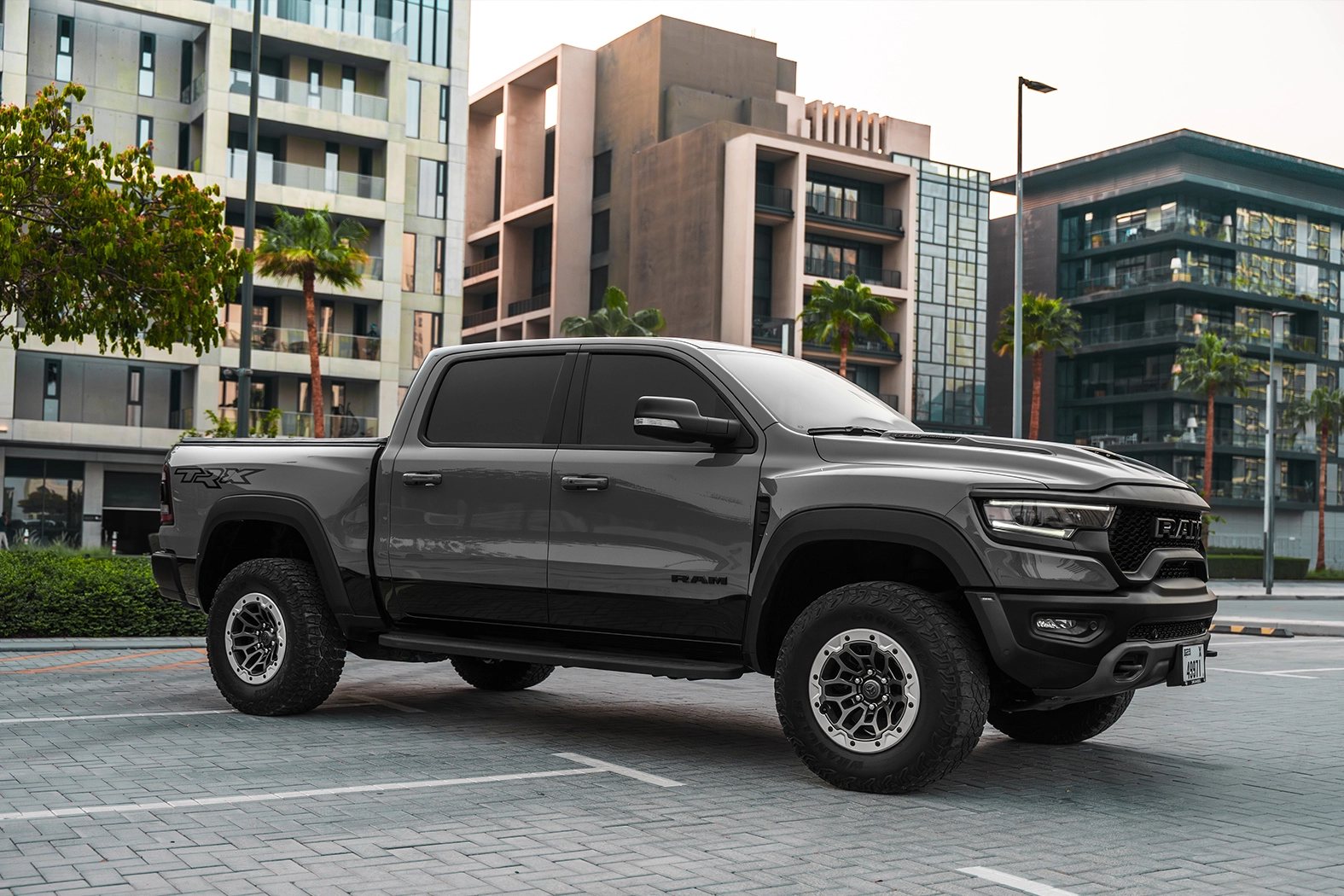
Choosing a very high-performance or luxury car increases scrutiny. Sports cars, supercars, and premium SUVs come with higher insurance risk.
So even if you qualify for a standard vehicle, the company may deny your request for a high-risk model. They look at age, experience, and profile together, and sometimes the car itself becomes the reason for rejection.
Being denied a car rental in Dubai is rarely personal, even though it can feel that way in the moment. Most denials come from rules, insurance limits, or document requirements that leave little room for flexibility.
And once you understand these reasons, preparation becomes much easier. Checking documents, age rules, license validity, and payment methods ahead of time saves stress. At the end of the day, when everything aligns properly, renting a car in Dubai becomes smooth, fast, and honestly quite enjoyable.
.svg)
